
Motivation fades.
Hacks break.Boring work compounds.
Self-improvement claims, traced back to the source that started them. Systems instead of sprints, sources instead of vibes. A library, not a feed.
How we spend our days is, of course, how we spend our lives.Annie Dillard · The Writing Life, 1989 · checked
Everyone repeats this advice. Is it true?
Each piece takes one confident claim, finds the first place it was ever said, and reports what that source actually contains.
- 33 claims traced to the source
Which of these do you believe?
Five claims you have almost certainly heard. A different five on every visit.
You believed 0 of 5. Each one is traced to its source in the registry.
Which one sounds like you?

I know what to do. I don’t do it.
You are not lazy. The task makes you feel something you would rather not feel, and your brain takes the nearest exit.
Start here

I open my phone to check one thing and lose forty minutes.
Nobody stole your concentration. It leaks through places you can name, and we check how large each leak really is.
Start here

My habits die in week two.
Four different failures all get called “I lost the habit”. They need opposite fixes, so first work out which one is yours.
Start here

I sleep fine and I’m still exhausted.
Tired, sleepy and burned out feel the same from the inside and need completely different things. Start by telling them apart.
Start here
I read the famous book. Nothing changed.
59 books read end to end and checked against a decade of replication attempts. Here is what we told readers about the famous ones.
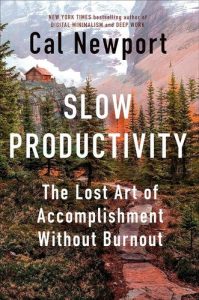 Read itSlow Productivity: The Lost Art of Accomplishment Without BurnoutSound Advice for People Who Own Their Calendar
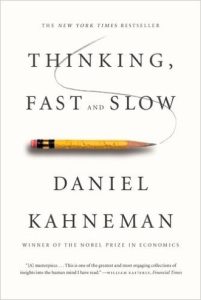 Read itThinking, Fast and SlowKahneman Retracted a Chapter. Here Is What Else Moved
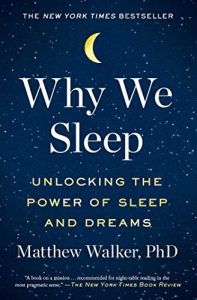 SkipWhy We SleepThe cancer claim failed a 1.5-million-person meta-analysis.
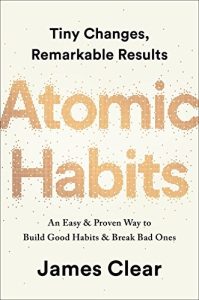 NotesAtomic HabitsMakes repetition easier. Repetition is not mastery.
 SkipRich Dad Poor DadThe metaphor survives. The method does not.
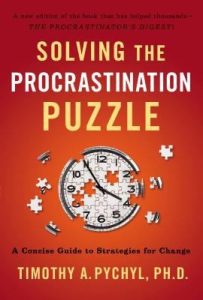 Read itSolving the Procrastination PuzzleThe mood-repair model held up. Its main tool has real trial support.
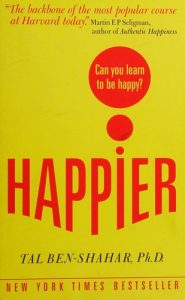 NotesHappierThe 40% Its Authors Withdrew
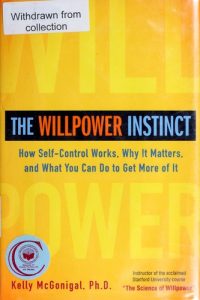 NotesThe Willpower InstinctGood Exercises, Dead Mechanism
Latest entries on the site
The feed sits at the bottom on purpose. A library is organised by subject, not by date — but here are the thirty most recent pieces, newest first. The complete index, filterable by kind and topic, is on the browse page.
-
Does Grit Predict Success Better Than Talent?
-
Are You 42% More Likely to Achieve a Written Goal?
-
Does Power Posing Work? What Fifteen Years of Replications Found
-
Do Hungry Judges Really Deny Parole?
-
Do Standing Desks Improve Productivity?
-
Was There Ever a Harvard or Yale Study on Written Goals?
-
Maslow Never Drew the Pyramid
-
Cryotherapy’s Whole Evidence Base Is 64 Men, and Cochrane Graded It Very Low
-
Who Was in the Room: The Sample Behind Ten Pieces of Self-Improvement Advice
-
Does the Marshmallow Test Predict Anything?
-
Does Music Help You Focus? From the Mozart Effect to Lo-Fi
-
Does the Two-Minute Rule Work?